 Skip to content

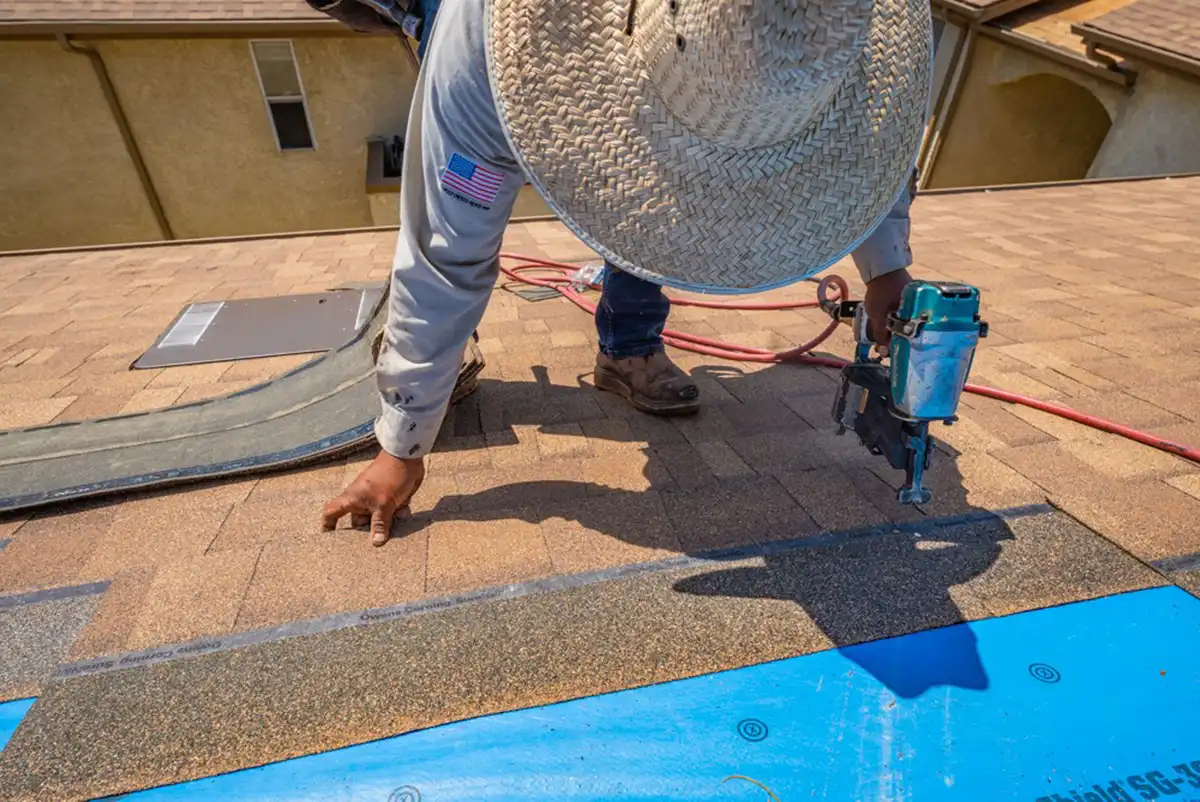
Most property managers wait until they have a leak before considering a roof replacement. By then, you are already behind. If your commercial roof is on borrowed time, the best decision you can make is to act before the next rainy season, not after. Summer in Southern California is not just a window of opportunity for replacement work. It is the best window of the year, and most building owners do not realize that until they have missed it.
Dry Weather Means Faster, Cleaner Installs
Commercial roof replacement is a sequenced process. Tear-off, substrate inspection, insulation, new membrane, flashings, drainage. Every one of those steps is weather-dependent. When you schedule a replacement during summer in SoCal, you are working with a predictable dry window. No rain delays, no moisture getting trapped inside an open roof system mid-install, no waiting for conditions to clear before the next phase can start.
In winter and spring, contractors work around the rain calendar. That adds time to the schedule and, in some cases, cost. Summer removes that variable entirely. From the moment the tear-off begins to the day the final inspection is signed off, a summer replacement moves faster and with fewer interruptions than the same job attempted in February.
You Can See the Full Picture of What You Are Working With
After a Southern California winter, a flat roof has been through a lot, even if it did not leak. Wind-driven rain seeps into flashing gaps. Moisture infiltrates membrane seams. Drain areas and scuppers are subject to repeated stress. A spring or early summer inspection gives you a complete read on the roof’s condition before summer heat accelerates any existing damage.
Scheduling a replacement in summer means the assessment and the work happen in the same season. You are not making a capital decision based on a fall inspection, waiting through winter, and then discovering in the spring that conditions have changed. You see the problem, you get the bid, and you move. The information is up to date, and the project follows it.
Contractor Scheduling Works in Your Favor
Spring is the busiest season for commercial roofing in Southern California. Emergency repairs from winter storms stack up. Property managers who deferred decisions through the holidays are all trying to schedule at the same time. Lead times stretch, and crews are split across multiple jobs.
By summer, that backlog clears. Scheduling access improves. Crews can be dedicated to a single project without the pressure of competing emergency calls. For a large commercial property or a multi-building HOA, that translates directly into a tighter project timeline and fewer coordination headaches.
Heat Reveals What Inspection Reports Sometimes Miss
A flat roof under summer heat stress tells you things a winter inspection cannot. Blistering membranes, softening lap seams, and failing flashings around HVAC equipment all become visible under sustained heat load. If you are already planning a replacement, a summer inspection before tear-off can identify problem areas that need additional attention during the install. You are not discovering surprises after the new membrane goes down.
This is particularly relevant for older modified bitumen systems on large commercial or apartment rooftops. Heat exposes delamination, substrate softness, and drainage issues that may not be apparent at moderate temperatures. Knowing the full scope before the job starts keeps the project on budget.
Budget Timing Lines Up
Most organizations set capital budgets in Q4 for the following year. If you identify a roof replacement need during summer, you have time to get bids, present to your board or CFO, secure approval, and still schedule work within the current fiscal year. The math works.
Wait until fall, and you are either rushing an approval or rolling it into next year’s budget. That means another winter on a roof that is already past its serviceable life. One significant rain event on a failing roof can result in water damage claims, tenant complaints, and emergency repair costs that far exceed the cost of a planned replacement. The delay is never free.
What to Do Right Now
If your flat or low-slope commercial roof is more than 15 years old, has not been inspected in the last 12 months, or has active repairs that keep recurring in the same areas, summer is the time to get a professional assessment. Not because there is urgency for its own sake, but because the conditions for making a good decision and executing a clean project are better right now than they will be in six months.
A replacement scheduled and completed before October puts you ahead of the rainy season with a warranted system, a clean substrate, and no deferred decisions hanging over next year’s budget cycle.
Schedule your commercial roof assessment before the rainy season and move forward with confidence, long-term protection, and fewer costly surprises through expert roof replacement.