 Skip to content

By Dan Cahill, Sales Director SBR Roofing
If you manage a commercial property and you have been getting roofing bids lately, the numbers may look different than they did six months ago. That is not a coincidence and it is not one contractor padding a proposal.
Roofing material costs are rising in waves through 2026. April brought the first round. June brought another. And a confirmed third increase is hitting July 1. If you are trying to budget a roofing project right now, understanding what is driving this and what is still coming is the most important thing you can do before making any decisions.
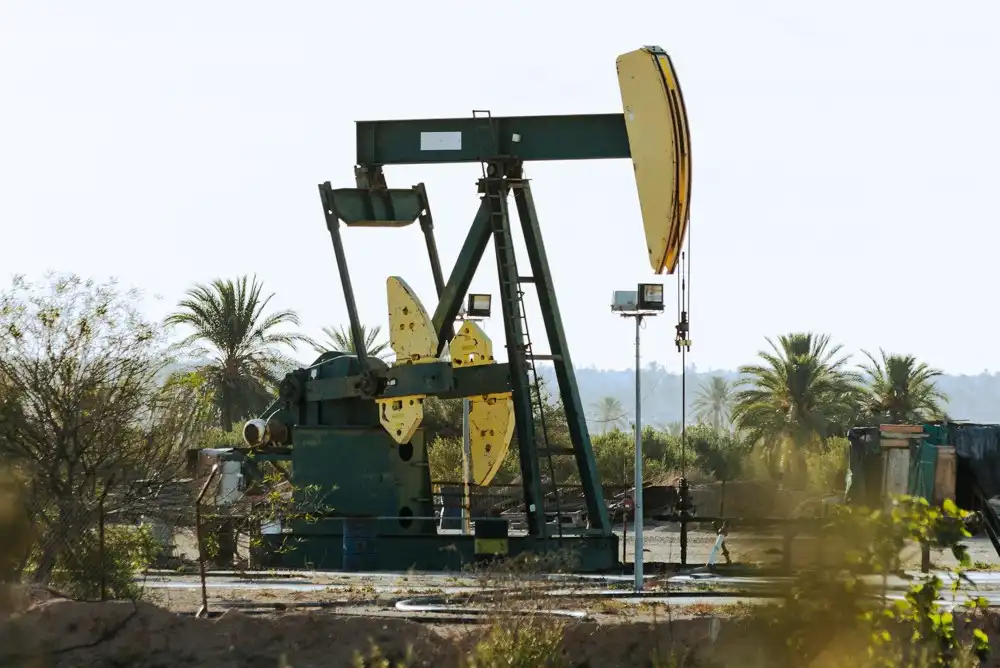
It Starts With Oil
Almost every material in a commercial roofing system traces back to petroleum. TPO and single ply membranes, modified bitumen, adhesives, primers, mastics, and polyiso insulation are all manufactured from petrochemical feedstocks. When crude oil prices rise, the cost to produce these materials rises with them.
That is exactly what is happening in 2026. Global energy markets are volatile. Crude oil and petrochemical costs are elevated. Every manufacturer producing petroleum-based roofing products is absorbing those cost increases and passing a portion of them downstream.
This is not a pricing strategy decision by any single company. It is a raw material cost event hitting the entire industry at the same time.
Tariffs Are Adding Another Layer
On top of the energy market pressure, tariffs on imported goods are adding cost to several roofing-related product categories in 2026. Steel, aluminum, and certain chemical inputs used in roofing manufacturing are subject to new or increased tariffs as part of broader trade policy changes.
The impact varies by product and manufacturer depending on where materials are sourced and how supply chains are structured. But the directional effect is the same across the industry: input costs are up, and those costs flow through to the price of finished roofing products.
For contractors purchasing materials domestically, even products made in the US can be affected when the raw inputs used to manufacture them are subject to import tariffs. The supply chain for roofing materials is global even when the finished product is not.
Freight Costs Are Moving Independently
Diesel prices are elevated in 2026. That has a direct impact on the cost of moving roofing materials from manufacturing plants to regional distributors and from distributors to job sites.
Several major suppliers are implementing freight surcharges that operate separately from product price increases. That means a roofing project right now is absorbing a material cost increase and a delivery cost increase as two distinct line items. Across the volume of product required for a full commercial roof replacement, the freight component alone can represent a meaningful addition to total project cost.
When reviewing a roofing proposal, it is worth confirming whether freight and delivery costs are included in the material pricing or listed separately. The answer affects how you compare bids from different contractors.
Three Waves of Increases in Three Months
What makes 2026 unlike a typical price adjustment year is the pace and frequency of increases hitting back to back.
The spring brought the first round across membranes, shingles, adhesives, and accessories. Increases ranged from 5 to 8 percent on standard products, with adhesives and primers running 8 to 10 percent and spray foam insulation seeing movement of up to 15 percent.
June brought a second round. Several manufacturers implemented additional increases on top of what was already adjusted in the spring. Products that cost more in April cost more again now.
And July 1 brings a confirmed third round. Major commercial roofing distributors are implementing an additional 5 to 10 percent increase across all commercial product categories effective July 1, 2026. That announcement is already in the market.
The compounding math matters here. Each round of increases applies to the already-adjusted price from the prior round. The cumulative effect across three waves is substantially larger than any single announcement suggests. A project budgeted in January based on January pricing looks very different today.
Why Prices Are Not Coming Down Anytime Soon
The underlying conditions driving these increases are not resolving. Energy markets remain volatile. Trade policy continues to create cost uncertainty for manufacturers with global supply chains. Diesel prices are not retreating in any meaningful way.
There is no reliable signal that roofing material costs are going to soften in the near term. Industry pricing tends to move up faster than it moves down, and manufacturers absorbing sustained cost increases are not quick to reduce prices when those pressures ease.
The realistic planning assumption for the rest of 2026 is that current pricing is a floor, not a ceiling. Budgeting with the expectation that costs will come back down is a position that carries real financial risk.
What Property Managers Should Do Right Now
Get your roof inspected if you have not done so in the last 12 months. Before any budget decision can be made intelligently, you need an accurate picture of your roof’s current condition. Deferred maintenance and undetected deterioration are expensive under any cost environment. In this one, they are more expensive than ever.
If you have a project in the planning stage, the window between today and July 1 is meaningful. A project ordered and scheduled before the next round of increases lands at a lower material cost than one that moves after. That is not urgency for its own sake. That is math.
If your roof is in serviceable condition, a proactive maintenance program is one of the most cost-effective tools available to you right now. Maintenance extends roof life and delays the capital expenditure of a full replacement. The products used in maintenance work are also seeing price increases, but the cost of a maintenance program is a fraction of the cost of replacement.
Ask your contractor direct questions about material pricing, freight costs, and how cost risk is handled between bid and material order. A contractor who can answer those questions clearly is one who is operating transparently in a difficult market. That matters more right now than it usually does.
The Bottom Line
Roofing costs are rising in 2026 because energy markets, trade policy, and freight costs are all moving in the same direction at the same time. Three confirmed waves of increases across April, June, and July mean the cumulative impact on project budgets is significant and still growing.
Property managers who understand what is driving costs are better positioned to make decisions that protect their properties and their budgets. That means acting on accurate roof condition information, not waiting on the assumption that costs will normalize, and working with contractors who are straightforward about what they are seeing in the market.
SBR Roofing has been working in commercial roofing in Southern California since 1963. We are navigating the same cost environment every other contractor is. What we can control is how clearly we communicate it and how well we help the property owners we work with plan around it.
Not sure where your roof stands heading into the second half of 2026? SBR Roofing offers a free commercial roof inspection and written condition report. No obligation, no sales pressure. Schedule yours at https://sbrroofing.com/free-estimate/
About The Author
Dan Cahill embarked on his journey in 2001, accumulating over 23 years of experience in the commercial roofing field. The original owner of SBR Roofing extended a trial opportunity in 2001, coinciding with the burst of the dot-com bubble. The proposition was simple: give it a year, see if it suits you, and if not, no hard feelings. Surprisingly, Dan found himself sticking around. Fast-forward over two decades, and he continues to thrive in the field.
With a background in sales, Dan discovered a passion for the dynamics of salesmanship, particularly in the freedom it offered from the confines of a desk. The opportunity to engage with people, navigate various situations, and even climb up on roofs appealed to him. This intriguing experience kept Dan hooked, prompting him to stay the course, eventually becoming a leader in the roofing industry.