 Skip to content

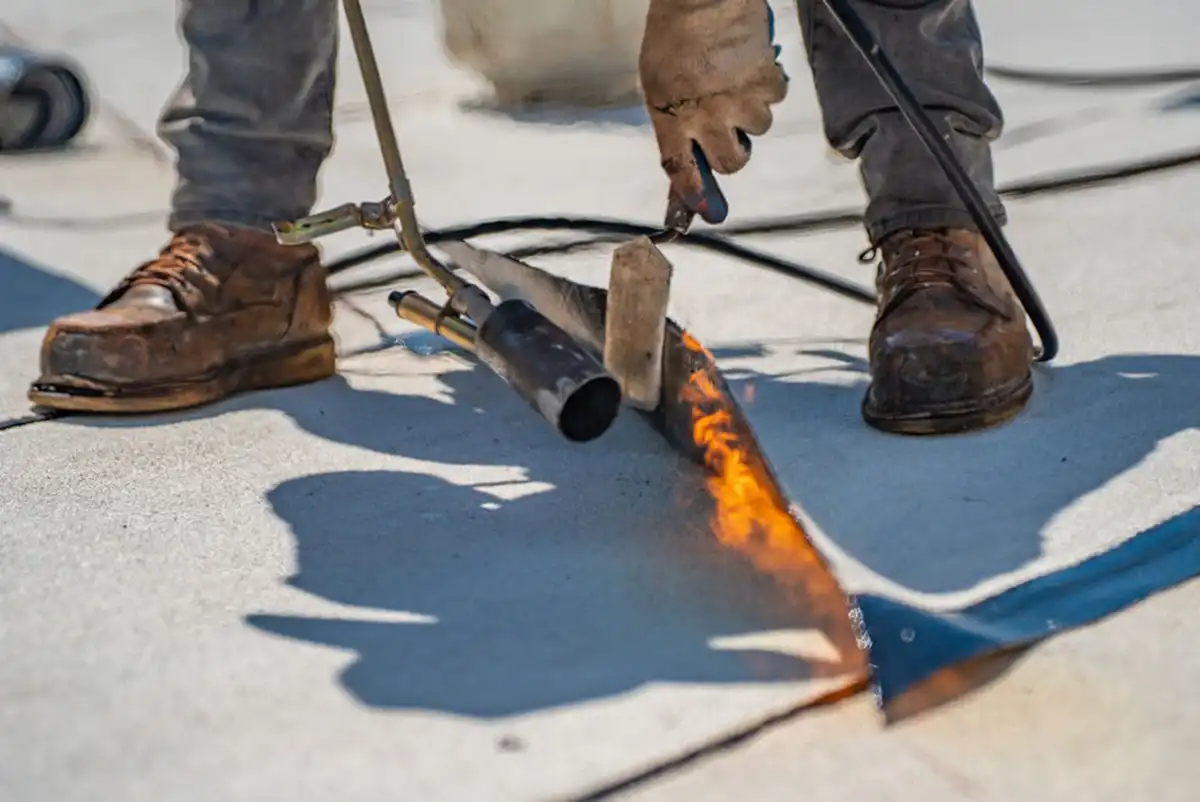
When temperatures in Southern California climb past 100 degrees, the roof over your property is working harder than almost any other part of the building. Surface temperatures on a commercial roof can run 40 to 60 degrees hotter than the air temperature, which means a 100-degree day can push roof membrane temperatures well past 150 degrees. For property managers and HOA boards, understanding what that heat is actually doing up there is the first step to avoiding costly surprises. Here are five effects worth knowing about.
1. Thermal Expansion and Contraction
Roofing materials expand as they heat up and contract as they cool down overnight. That daily cycle puts ongoing stress on seams, flashings, and fasteners. Over time, this movement can loosen seams on single ply systems or crack and split modified bitumen at transition points. A roof that has been through several summers without inspection is a roof that has absorbed a lot of this stress without anyone checking the results.
2. Accelerated UV Degradation
Heat and UV exposure work together. Higher temperatures speed up the chemical breakdown of roofing membranes, causing them to become brittle faster than they would in a milder climate. Coatings and cap sheets that are past their service life show this first, with surface chalking, fading, and small surface cracks that can turn into larger splits if left unaddressed.
3. Softening of Roofing Materials
Extreme surface heat can temporarily soften asphalt-based products and some coatings. A softened surface is more vulnerable to foot traffic damage, which matters if HVAC technicians or maintenance crews are walking the roof during the hottest part of the day. Even light foot traffic can leave indentations or disturb granules on a roof that has been baking since morning.
4. Increased Strain on Rooftop Equipment and Penetrations
HVAC units, exhaust fans, and other rooftop equipment run longer and harder during heat waves, and the roof around every penetration point takes on added stress from vibration and heat combined. Flashing and pitch pans around this equipment are common points of failure in summer, especially if they were not properly maintained going into the season.
5. Existing Weak Points Fail Faster
Heat does not create new problems so much as it exposes and accelerates existing ones. A small blister, a seam that was already under-adhered, or a coating that was thinning will reach failure faster under sustained high heat. This is why so many roof leaks and emergency calls show up during or right after a heat wave, even without a single drop of rain.
What This Means for Property Managers and HOA Boards
None of this means a heat wave will automatically cause a failure. It means summer is when small, unaddressed issues turn into leaks, and a roof that was inspected and maintained before the season is far better positioned to handle it. A visual inspection during or after a stretch of extreme heat can catch blistering, seam separation, or softened areas before they become an interior water problem.