 Skip to content

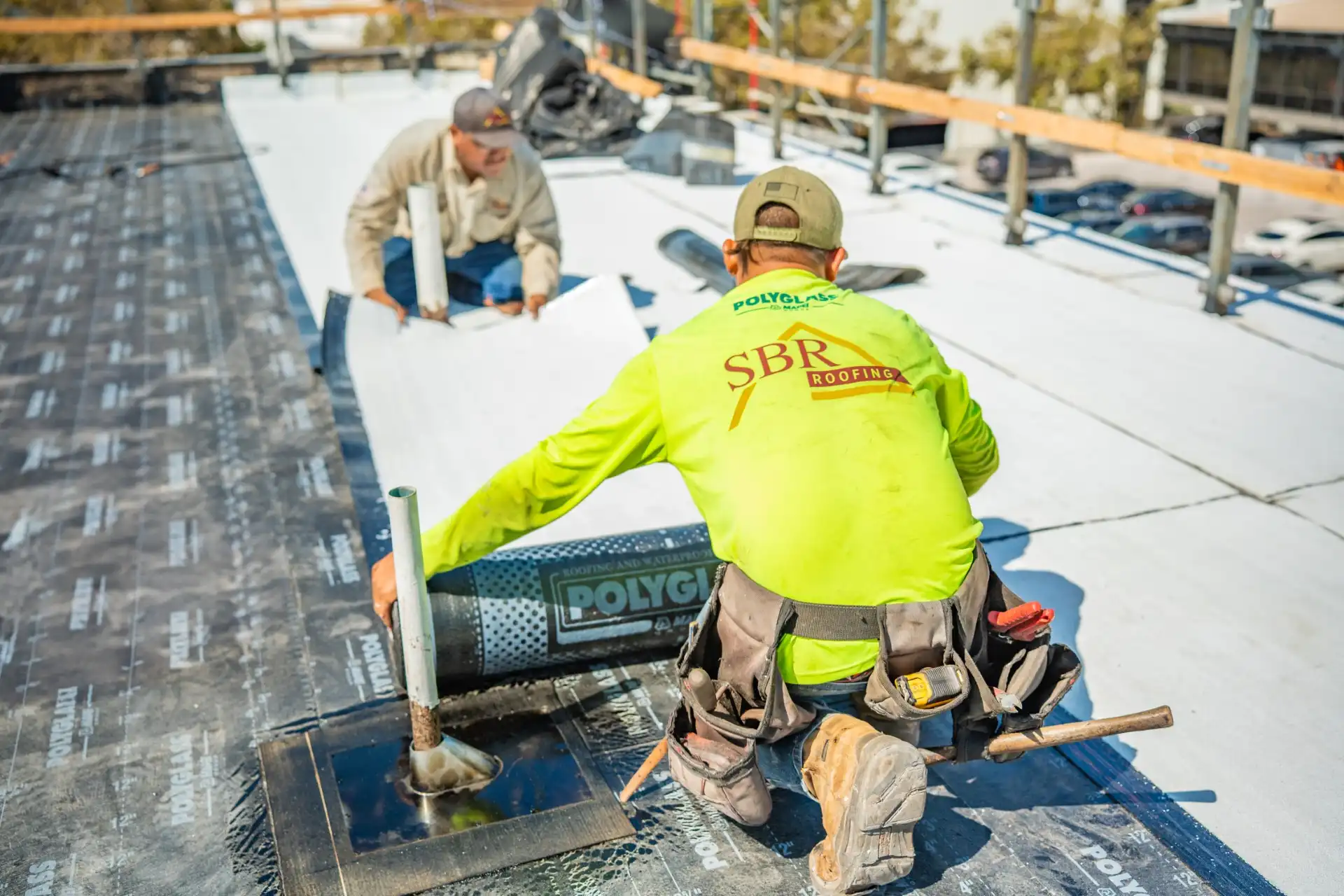
Southern California does not get much rain, and that is exactly the problem. Property managers in Burbank, Pasadena, the San Fernando Valley, and greater Los Angeles often go most of the year without a real storm test on their roof systems. When the first heavy rain of the season finally arrives, it tends to arrive fast and hard, dropping more water in a few hours than a roof may have seen all year. A roof that would hold up fine under slow, steady rain in other climates can fail under SoCal's compressed, high-intensity storm pattern, especially if it has not been prepped.
Why Sudden Heavy Rain Hits Harder Than Steady Rain
Drainage systems built to handle a moderate, steady flow can be overwhelmed when a sudden downpour hits instead. Debris that built up quietly over a dry summer gets mobilized all at once, clogging drains at the exact moment the roof needs them most. Ponding water that would normally evaporate within a day can sit for much longer stretches when back to back storms roll through, giving it more time to work into seams and flashing.
Start With Cleaning, Not Inspection
A pre-storm inspection only tells you something useful if it happens on a clean roof. Leaves, dust, and debris that collect over the dry season hide the exact things an inspector needs to see: a lifted flashing edge, a cracked seam, a blister that has not split yet. Ponding water hides the same problems from below. Skip the cleaning step and the inspection becomes guesswork.
A proper pre-storm cleaning covers the full roof surface, not just the areas near the access hatch. That means clearing every drain, scupper, and gutter completely, removing standing water from low spots, and addressing any organic growth on shaded or north-facing sections. Once the roof is actually clean, an inspection can catch flashing separation, seam integrity issues, and worn sealant around rooftop equipment while they are still small and inexpensive to fix.
What Happens When Water Gets In
Once water finds a way past the roof system, the damage rarely stays contained to the roof itself. Interior ceiling stains, damaged insulation, and ruined inventory or equipment are common outcomes for tenants below. For HOAs, that often means a wave of resident complaints arriving all at once. For property managers, it means facing emergency repair costs at a premium, on a timeline dictated by the storm rather than a planned maintenance visit.
Why September and October Matter
This window, after peak summer heat but before the marine layer and first real storms typically move into Southern California, is the best time to get ahead of it. Addressing drains, sealant, and debris now means the work happens before the roof is under any load. Waiting until the first storm is already on the forecast means reacting under pressure, often at a higher cost and with tenants already affected.
The Bottom Line
Southern California's rainy season is short, but it is not gentle. Roofs that go untested for most of the year need real preparation before that first storm, not a wait-and-see approach. Clean the roof, inspect it properly, address what the inspection finds, and do it in September or October so the work happens on your schedule instead of the storm's.
Get Your Roof Storm-Ready
SBR Roofing helps commercial properties across Burbank, Pasadena, the San Fernando Valley, greater Los Angeles, and Ventura County prepare for rainy season before the first storm hits.
Call 888.766.3748 or 818.843.0544, or visit sbrroofing.com to schedule.