 Skip to content

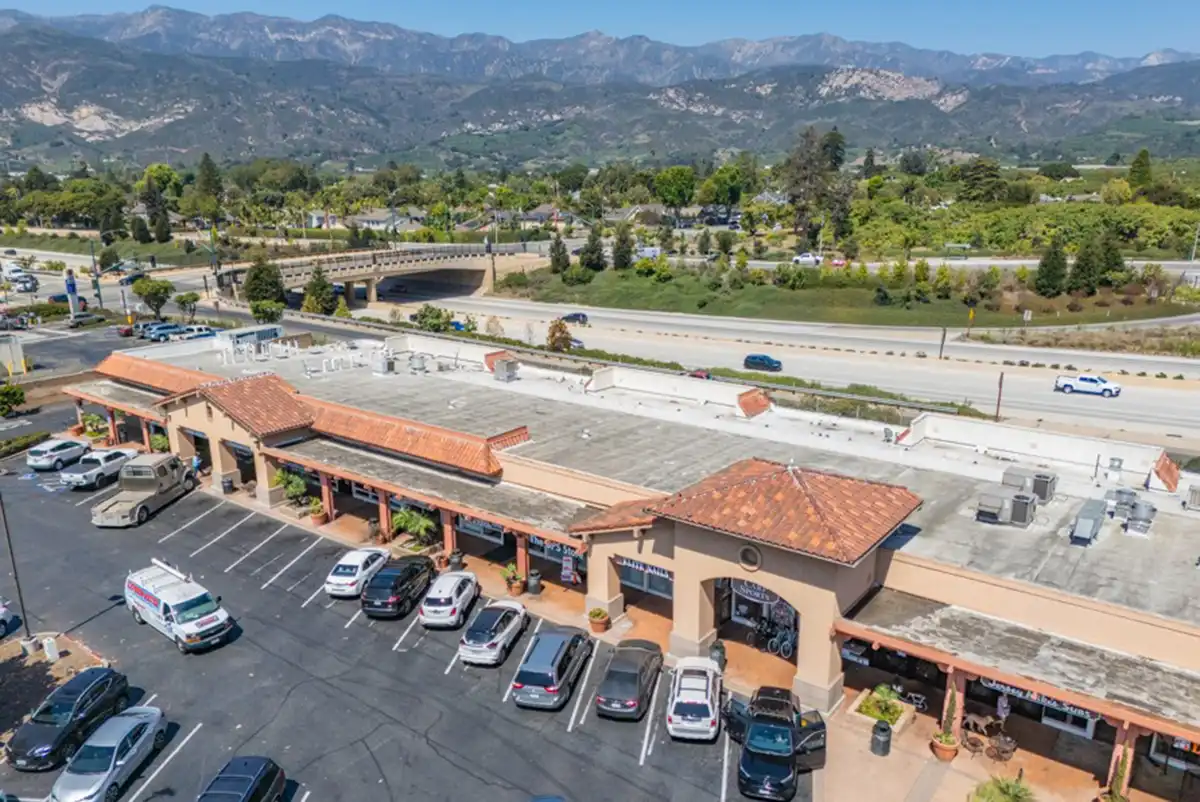
Southern California summers are not a soft landing for commercial roofs. Sustained heat, intense UV exposure, and dramatic overnight temperature swings put flat roofing systems under stress that compounds year after year. For property managers and HOA boards responsible for large commercial or multifamily buildings, understanding what heat actually does to a flat roof is the first step toward protecting that investment before the damage becomes expensive.
What Makes Flat Roofs Vulnerable to Heat
Flat roofs have very little surface slope, which means they absorb and hold heat differently than pitched roofs. Dark membrane surfaces can reach temperatures well above 150 degrees Fahrenheit on a clear summer day in the San Fernando Valley or Pasadena. That heat does not just sit there. It moves into the membrane, into the insulation beneath it, and eventually into the building below.
Unlike a sloped roof, which drains water quickly, flat roofs are designed to manage water through interior drains and scuppers. When heat warps or degrades the membrane surface, drainage pathways can be compromised, creating secondary water intrusion problems that appear months later when the rain finally arrives.
Thermal Expansion and Contraction
One of the most damaging forces acting on a flat roof in Southern California is the daily cycle of thermal expansion and contraction. Roofing membranes expand when heated and contract when temperatures drop at night. Over time, this repeated movement stresses seams, flashings, and any areas where the membrane transitions to a wall, parapet, or a penetration, such as an HVAC curb or drain collar.
Seam failures are one of the most common repair calls we see after a hot summer. What looks like a minor separation at a lap seam can allow moisture to travel under the membrane for weeks or months before it shows up as a ceiling stain inside the building. By then, the substrate beneath the membrane is often wet, adding weight and reducing the membrane’s ability to bond if it is ever re-adhered.
UV Degradation Over Time
Ultraviolet radiation breaks down roofing materials at the molecular level. For modified bitumen systems, prolonged UV exposure causes the surface to oxidize and lose flexibility. The membrane becomes brittle, develops hairline cracks along the surface, and eventually loses its ability to shed water effectively. For single-ply systems like TPO or PVC, UV can accelerate seam breakdown and cause the membrane to pull away from flashings.
In Southern California, UV exposure is not seasonal. Even in winter, roofing materials are under UV stress most days. This accelerates the aging timeline compared to regions with more cloud cover or shorter summers.
What Happens to the Insulation Beneath
The membrane is the visible layer, but the insulation board beneath it plays a critical role in the roof system’s performance. When heat penetrates a compromised membrane and reaches the insulation, it can cause the board to compress, shift, or, in the case of moisture intrusion, begin to deteriorate entirely.
Wet insulation retains moisture, which becomes a problem during the daily thermal cycle. As the roof heats up through the day, trapped liquid moisture converts to moisture vapor. That vapor has nowhere to go, so it tries to outgas through the path of least resistance, which is typically the seams and laps in the membrane above it. Over time, that outgassing pressure causes those seams and laps to split open, creating new entry points for water and accelerating the failure of an otherwise intact membrane surface.
A roof that has experienced repeated heat cycles without adequate maintenance often has insulation damage that is not visible from the surface. A core sample or infrared scan can reveal the true condition of the insulation layer before a full replacement is required.
Signs That Heat Has Already Taken a Toll
Property managers should look for these indicators during or after a hot summer stretch:
- Blistering or bubbling on the membrane surface indicates trapped moisture or air beneath the material
- Cracking or alligatoring on modified bitumen surfaces, especially on south- and west-facing exposures that receive the most direct sun
- Separated or lifted flashings around HVAC equipment, drains, skylights, or parapet walls
- Standing water that persists more than 48 hours after rain, which can indicate that drainage pathways have shifted or that the membrane has developed low spots from substrate movement
- Interior ceiling stains or HVAC performance drops, which can be downstream symptoms of a membrane that has already been compromised
The Role of Reflective Coatings in Heat Management
One of the most effective ways to reduce heat-related stress on a flat roof is to reduce the amount of heat the membrane absorbs in the first place. Reflective coatings applied over an existing membrane can significantly lower surface temperatures by reflecting solar energy rather than absorbing it. This is sometimes called a cool roof system, and it is eligible for energy rebates through some California utility programs.
For buildings where the existing membrane is still structurally sound but showing early signs of UV wear, a reflective coating can extend the roof’s useful life while reducing the building’s cooling load during summer months. It is not a replacement for a failing roof, but it is a legitimate maintenance tool when applied at the right time in a roof’s life cycle.
Why Summer Is the Right Time to Inspect, Not Ignore
Many property managers wait for leaks before scheduling a roof inspection. In Southern California, that approach is particularly costly because the damage that drives future leaks is happening now, during the hottest months of the year. Seams are under maximum thermal stress. UV degradation is at its peak. And by the time rain arrives in late fall, any vulnerabilities in the membrane will be revealed quickly.
A summer inspection gives you a clear picture of where your roof stands before the weather changes. It also gives you lead time to schedule repairs or restoration work during the fall window, before year-end budgets close and before storm season begins.
Schedule a Roof Inspection
If your commercial or multifamily property has a flat roof and has not been inspected this year, now is the right time. SBR Roofing provides commercial roof inspections for property managers and HOA boards throughout Los Angeles, Burbank, Pasadena, the San Fernando Valley, and Ventura County.
Contact us today to schedule your inspection with trusted roof replacement services.