 Skip to content
Commercial Roofing Frequently Asked Questions
Over Six Decades of Superior Service
SBR is a trusted commercial roofing specialist with more than 60 years of experience delivering exceptional workmanship. Throughout the decades, we have built a strong reputation for providing clients with informed guidance, value-driven solutions, and roofing systems crafted for long-term performance.
Commercial Roofing FAQ's
Commercial Roofing
Yes, we offer warranties on all our commercial roofing installations and most repairs. Our long-standing presence in the commercial roofing industry ensures that we will be here to honor those warranties should any issues arise.
You can contact us through our website or call our office to get a quote. We will schedule a convenient time to assess your commercial roofing needs and provide a detailed, no-obligation estimate.
Signs that your commercial roof may need repaired include:
- Frequent leaks
- Extensive water damage
- Significant wear and tear
- Age of the roof
We can perform a thorough inspection and provide a professional recommendation based on our findings.
We have been in the commercial roofing industry for over 60 years, delivering quality commercial roofing workmanship and reliable service to our customers.
We recommend having your commercial roof inspected anually. Regular inspections help identify potential issues early, preventing costly commercial roofing repairs down the line.
We proudly serve a wide range of areas, providing top-notch commercial roofing services to businesses and organizations in our region. Contact us to see if we serve your specific location.
We provide a comprehensive range of commercial roofing services, including roof inspections, maintenance, repairs, replacements, and installations. Our expertise covers various commercial roofing systems, ensuring we can meet all your commercial roofing needs.
Our commitment to quality commercial roofing workmanship, lasting solutions, and exceptional customer service sets us apart. With over 60 years of experience, we have built a reputation for reliability and excellence in the commercial roofing industry.
If you notice a leak, contact us immediately. Our team of commercial roofing experts will promptly assess the situation, determine the cause of the leak, and provide a timely and effective commercial roofing solution to minimize damage to your property.
We work with various commercial roofing systems, including built-up roofing (BUR), modified bitumen, single-ply (TPO, PVC, EPDM), metal roofing, and green roofing systems. Our team is well-versed in the installation and maintenance of these commercial roofing systems.
General
SBR does not charge for estimate requests
Warranty lengths vary based on the type of materials used. Flat roofs can have anywhere form a 10-year to 25-year manufacturer warranty. Shingle roofs generally have a 40 year prorated manufacturer warranty.
Often times an estimate can be generated within a day or two of an inspection. In peak periods such as the rainy season, estimates can take longer.
A minor leak repair is usually $600-1,000. If the repairs needed are more significant, the price can go up. However an estimate should be provided for any significant roof work.
I would suggest something similar to the following: A warranty is the period of time the roof has a manufacturer or contractor guarantee for, offering the owner some kind of protection on workmanship, material, and needed repairs. Life expectancy is how long a roof should actually last. A well installed roof will usually outperform the warranty by many years. Life expectancy is an important and often unconsidered component when selecting a roof system.
Roofs can leak due to many factors. Age, wear and tear, poor installation, lack of upkeep, other vendors working atop the roof are among the main factors. The volume and type of rain can also be a factor as not every rain is windy or heavy enough to create leaks.
Performing proper and consistent maintenance will give your roof the best chance to perform. Roofs that are well maintained last longer than roofs that are not cared for. Preventing leaks is always one of the primary goals of a maintenance. Identifying issues before they turn into problems during the rainy season helps prevent aggravation and added costs for repairs later on.
Green Roofing
In many cases, yes. An existing roof may be upgraded or replaced with a green roofing system if the building can support the new assembly and the underlying components are in suitable condition. SBR Roofing reviews the existing roof system carefully before recommending any green roof installation.
No. Energy-efficient roofing helps in more than one season. While reflective and insulated systems are especially useful in reducing summer heat gain, the right roofing assembly can also help stabilize indoor temperatures during colder months and support year-round efficiency.
Some green roofing systems, especially vegetative assemblies, require ongoing maintenance to protect performance and appearance. Other energy-efficient roofing options may require little more than regular inspections and routine care. SBR Roofing helps property owners understand maintenance expectations before work begins.
The right energy-efficient roofing system depends on the building’s size, structure, slope, drainage, insulation needs, and budget. SBR Roofing reviews each property carefully and recommends options that provide lasting performance, practical value, and reliable workmanship.
Green roofing helps reduce heat transfer into a building, which can lower cooling demands during warmer months. An energy-efficient roofing system can also improve indoor comfort and support better HVAC performance. For many commercial properties, energy efficient roofing contributes to lower utility expenses over time.
The timeline for green roof installation depends on roof size, structural requirements, material selection, weather conditions, and project complexity. A straightforward system may move quickly, while a larger or more specialized green roofing project may require additional coordination and preparation.
For many commercial property owners, green roof installation is a worthwhile long-term investment because it can improve energy performance, reduce strain on building systems, and support sustainability goals. The real value depends on the building, the selected system, and how the roof performs over time.
Yes. Green roofing can be an excellent option for commercial properties that need better energy performance, longer roof life, and lower lifecycle costs. SBR Roofing evaluates the structure, drainage, insulation needs, and budget so the recommended system matches the building’s goals.
Green roofing refers to roofing systems designed to improve environmental performance, reduce heat absorption, and support better building efficiency. Depending on the project, green roofing can include vegetative roof systems, reflective membranes, improved insulation, and other energy-conscious materials that help lower long-term operating costs.
Green roofing is a broader category that focuses on environmentally responsible roof design and performance. Energy-efficient roofing is one part of that approach, with a specific focus on reducing energy consumption and improving thermal performance. In many cases, a green roofing system also functions as an energy-efficient roofing solution.
Energy efficient roofing systems may include reflective membranes, insulation boards, roof coatings, vegetative assemblies, and other high-performance materials. The best choice depends on the building’s use, roof design, budget, and long-term maintenance goals.
Green roof installation is often a strong fit for commercial, institutional, industrial, and multi-use buildings with the right structural support and drainage design. Roof slope, access, weight capacity, and local climate all play a role in determining whether a building is a good candidate.
A properly designed green roofing system can help protect the roof assembly from UV exposure, temperature swings, and other common sources of wear. That added protection may contribute to a longer service life, especially when paired with routine inspections and timely repairs.
HVAC Inspections
Yes. A documented inspection report with photos gives property managers a record of equipment condition over time, which is useful for forecasting when a unit is approaching the end of its service life and budgeting ahead of an unplanned failure.
Yes, when the contractor has licensed HVAC technicians on staff. SBR Roofing inspects rooftop HVAC units and the surrounding roof system in the same visit, since many HVAC related roof failures start where equipment meets the membrane and are easy to miss when two separate vendors handle each system.
Commercial HVAC units should generally be inspected twice a year, in spring and fall, alongside seasonal roof inspections. Buildings with older units or known drainage issues may need quarterly checks. Pairing the inspection with an existing roof inspection schedule reduces cost and catches issues at the equipment to roof interface.
When an inspection finds roof damage related to HVAC equipment, such as a worn curb seal or a penetration issue, SBR documents it in the same report and can scope the repair directly, since the same company handles both systems. There is no need to bring in a second contractor to evaluate the damage.
An inspection is a point in time assessment that documents the current condition of the equipment and the surrounding roof. Maintenance is the ongoing, scheduled work, like filter changes and coil cleaning, that keeps the equipment running properly between inspections. Most buildings benefit from both on a regular cycle.
HVAC Maintenance
Combining roof and HVAC maintenance reduces the number of separate trips to the roof, since one crew handles both systems in a single visit. It also reduces disputes over which contractor caused a leak or equipment issue, which often delay repairs and add cost when two separate vendors are involved.
A commercial HVAC preventive maintenance contract typically includes scheduled inspections of rooftop units, filter replacement, coil cleaning, refrigerant checks, and electrical inspections. SBR Roofing pairs these visits with its existing roof inspection schedule, so HVAC maintenance and roof condition are reviewed together by the same crew.
Preventive maintenance is scheduled, routine work such as filter changes, coil cleaning, and inspections designed to catch problems early. Repair work addresses equipment that has already failed or stopped operating correctly. A consistent maintenance schedule is what reduces how often a repair call becomes necessary in the first place.
Any commercial building with HVAC units benefits, especially those with flat or low-slope roofs where equipment sits directly on the membrane. Office buildings, retail centers, and multi-tenant properties see the most value, since equipment related roof damage is harder to catch when two separate contractors are involved.
Using one contractor for roofing and HVAC removes the disputes that happen when separate vendors blame each other for leaks or equipment damage. It also means maintenance visits are coordinated rather than scheduled independently, which reduces the number of trips to the roof and the chance something gets missed.
HVAC Repairs
Yes. Multi-tenant and commercial properties often have several rooftop units installed at different times. SBR evaluates and repairs all units on a property in the same visit when possible, which is more efficient than scheduling separate appointments for each piece of equipment, especially on larger roofs.
Yes. SBR repairs rooftop HVAC equipment regardless of who installed it. Our technicians evaluate the unit and the surrounding roof system together, which is useful when the building’s HVAC history or installation records are incomplete or were handled by a previous contractor.
Response time depends on the scope of the issue and current scheduling, but because SBR already maintains many of the roofs these units sit on, our crews are often familiar with the building and equipment before the call comes in, which shortens the time needed to diagnose and resolve the problem.
Most rooftop HVAC failures trace back to refrigerant leaks, clogged condensate drains, electrical connection issues, or roof damage near the unit’s curb. Because the equipment sits directly on the roof, mechanical problems and roofing problems are often connected, which is why combined inspection and repair catches issues earlier.
Call a contractor licensed for both roofing and HVAC work if your building uses rooftop units, since many repair issues involve both systems. SBR Roofing repairs HVAC equipment and any related roof damage in the same visit, avoiding the delay of coordinating two separate vendors for one repair.
Preventative Maintenance
Yes. Roof maintenance can help prevent leaks by identifying damaged flashing, open seams, clogged drains, punctures, and other conditions that allow water intrusion. Early attention to these issues helps reduce the need for larger repairs later.
Yes. Roofing maintenance can help protect a roof warranty because many manufacturers require regular inspections and documented upkeep. Staying consistent with commercial roof maintenance can help property owners meet warranty obligations and avoid preventable issues.
Yes. Routine roof maintenance can extend the life of a commercial roof by addressing wear before it spreads and by keeping drainage and key roof components in proper condition. A well-maintained roof system is more likely to perform reliably over the long term.
Roof maintenance should generally be scheduled at least twice a year, often in the spring and fall, as well as after major storms. Some buildings may require more frequent commercial roof maintenance depending on the roof’s age, condition, and exposure.
Yes. Commercial roof maintenance is often a cost-effective investment because it helps reduce emergency repairs, supports warranty compliance, and extends the life of the roofing system. Preventative service usually costs far less than major repairs or premature replacement.
Common signs that roofing maintenance is overdue include ponding water, clogged drains, visible membrane damage, loose flashing, water stains inside the building, cracked sealants, and debris accumulation. These conditions can quickly lead to larger roofing problems if left unaddressed.
Commercial roofing maintenance typically includes roof inspections, debris removal, drain and gutter cleaning, flashing checks, seam evaluations, minor repairs, and assessments around penetrations and rooftop equipment. SBR Roofing tailors commercial roofing maintenance to the needs of each roof system and building.
During a commercial roof maintenance inspection, roofing professionals assess the condition of the membrane or surface, flashing, seams, penetrations, drains, edges, and visible signs of deterioration. SBR Roofing documents concerns and recommends practical maintenance or repair steps based on the roof’s actual condition.
Roof maintenance is the routine inspection, cleaning, repair, and upkeep required to keep a roofing system performing as intended. Regular roof maintenance helps identify minor issues before they become larger and more expensive problems.
Roof maintenance focuses on routine service that helps prevent damage, while roof repair addresses existing problems such as leaks, punctures, or failed components. In many cases, proper roof maintenance reduces how often repairs are needed and helps catch issues earlier.
Nearly all commercial roof systems benefit from commercial roofing maintenance, including single-ply membranes, modified bitumen, built-up roofing, metal roofing, and other low-slope systems. Each roof type has its own maintenance needs, which is why a system-specific approach matters.
A building owner should call for commercial roof maintenance on a scheduled basis rather than waiting for visible damage. Maintenance is especially important after storms, when drainage problems appear, or when the roof has gone too long without a professional inspection.
SBR Roofing brings more than 60 years of commercial roofing experience to every maintenance program. SBR Roofing focuses on lasting value, sound recommendations, and quality workmanship so commercial roof maintenance supports long-term roof performance rather than short-term patchwork.
Commercial roof maintenance is important because commercial roofs are exposed to weather, drainage issues, foot traffic, rooftop equipment, and normal material aging. Consistent maintenance helps protect the roof system, reduce the risk of leaks, and support a longer service life.
Roof Leak Repair
A small leak should be repaired right away. What looks minor on the surface can hide saturated insulation, deck deterioration, mold growth, and damage that spreads beyond the visible stain. Prompt roof leak repairs usually cost less than major restoration work after the damage worsens.
Yes. SBR Roofing specializes in commercial roof leak repair for a wide range of roofing systems and building types. Commercial roofs often have unique drainage patterns, penetrations, rooftop equipment, and membrane details that require an experienced commercial roofing team.
Yes. SBR Roofing provides emergency roof leak repair when active leaks threaten building interiors, equipment, inventory, or operations. Fast response matters because water intrusion can spread quickly and create much larger problems in a short period of time.
Routine inspections, regular maintenance, drain cleaning, flashing checks, and prompt repairs all help reduce the risk of future leaks. SBR Roofing recommends proactive service because early attention can prevent emergency roof leak repair and extend the life of a commercial roof.
Water stains, dripping water, ceiling discoloration, mold growth, wet insulation, and visible roof damage are all signs that professional roof leak repair is needed. Even a small leak can lead to structural damage, interior damage, and higher repair costs if the problem is left unaddressed.
Experienced roof leak repair contractors inspect the roof surface, flashing details, seams, penetrations, drainage areas, and interior signs of moisture. In many cases, the visible leak inside the building is not directly below the actual point of roof failure, so a careful inspection is essential.
The timeline for roof leak repairs depends on the size of the damaged area, the roofing system, weather conditions, material availability, and whether moisture has affected insulation or decking. Some repairs can be completed quickly, while more extensive issues may require a broader scope of work.
Temporary patching can help control water intrusion in urgent situations, but temporary measures are not a substitute for a complete repair plan. Lasting roof leak repair addresses the root cause of the leak and restores the roof system’s ability to protect the building.
Roof leaks often result from damaged flashing, punctured roofing membranes, clogged drains, failed seams, aging materials, and storm damage. On commercial buildings, standing water and neglected maintenance are also common causes. SBR Roofing identifies the source of the leak and recommends the most effective roof leak repair for the specific roof system.
SBR Roofing brings more than 60 years of commercial roofing experience to every project. SBR Roofing focuses on practical solutions, quality workmanship, and long-term value rather than short-term fixes that do not address the actual cause of the leak.
Move inventory, equipment, and furnishings away from the leak if possible, contain dripping water with buckets or protective coverings, and restrict access to unsafe areas. Property owners should avoid going onto the roof unless trained and properly equipped. Emergency roof leak repair should begin with a professional inspection and a safe temporary solution if immediate permanent repairs are not possible.
SBR Roofing performs roof leak repairs on many commercial roof systems, including single-ply membranes, modified bitumen, built-up roofing, metal roofing, and other low-slope and specialty systems. The repair method depends on the roofing material, the extent of damage, and the underlying condition of the roof assembly.
Commercial roof leak repair is often the better option when the damage is isolated and the overall roof system is still in serviceable condition. If widespread deterioration, repeated leaks, or age-related failure are present, replacement may provide better long-term value. SBR Roofing evaluates both the immediate problem and the overall roof condition before making a recommendation.
Experienced roof leak repair contractors understand how different roofing systems fail, how water travels through a roof assembly, and how to make repairs that hold up over time. SBR Roofing brings decades of commercial roofing experience to every repair, with a focus on accurate diagnosis, sound repair methods, and lasting workmanship.
Roof Repair
Many commercial roof repairs can be completed with minimal disruption, especially when problems are caught early. The level of impact depends on the location and severity of the damage, weather conditions, and the scope of the repair. SBR Roofing plans work carefully to reduce disruption whenever possible.
Yes. Timely commercial roof repairs can extend the service life of a roofing system by addressing isolated problems before they spread. Repairing damage early helps protect the underlying assembly and reduces the risk of more extensive deterioration.
Small roof problems should not be ignored. Minor damage can allow water intrusion, insulation damage, deck deterioration, and interior issues that grow more costly over time. Prompt commercial roof repair usually helps avoid larger and more disruptive repairs later.
Yes. SBR Roofing provides commercial flat roof repair for a wide range of low-slope roofing systems. Commercial flat roof repair often involves correcting drainage issues, membrane damage, seam failures, flashing problems, and other conditions that can lead to leaks or premature roof deterioration.
Routine inspections, preventative maintenance, drain cleaning, prompt attention to minor damage, and repairs after severe weather all help reduce the need for major commercial roof repair. Consistent care helps keep roofing systems in better condition and lowers the risk of unexpected failures.
Signs that a building may need commercial roof repair include visible leaks, ceiling stains, wet insulation, standing water, loose flashing, blistering, punctures, and noticeable roof surface damage. A professional inspection can determine the extent of the problem and the right repair approach.
SBR Roofing determines the right repair method by inspecting the roof system, identifying the source and extent of the damage, evaluating the condition of surrounding materials, and considering the age and performance of the roof as a whole. That process helps ensure commercial roof repairs address the actual cause of the problem.
The timeline for commercial roof repairs depends on the size of the damaged area, the roof system, weather conditions, material availability, and whether hidden moisture or substrate damage is present. Some repairs can be completed quickly, while others require a broader scope of work.
Commercial roof repair is the process of correcting damage or wear on a commercial roofing system so the roof can continue protecting the building. Commercial roof repair may address leaks, membrane damage, flashing failures, punctures, storm damage, drainage issues, and other problems that affect roof performance.
Commercial flat roof repair may include patching damaged membrane areas, resealing seams, replacing flashing, improving drainage, repairing penetrations, and correcting moisture-damaged sections of the roof assembly. The goal of commercial flat roof repair is to restore watertight performance and protect the building from further damage.
Commercial roof repairs are commonly needed for leaks, open seams, damaged flashing, punctures, ponding water, storm-related damage, shrinkage, and deterioration around penetrations or rooftop equipment. Addressing these issues early helps prevent larger and more expensive damage.
SBR Roofing performs commercial roof repair on many roofing systems, including single-ply membranes, modified bitumen, built-up roofing, metal roofing, and other low-slope systems. The repair method depends on the roof type, the condition of the existing materials, and the severity of the damage.
Commercial roof repair is often the better option when damage is limited to specific areas and the overall roof system is still in serviceable condition. If the roof has widespread failure, repeated issues, or has reached the end of its useful life, replacement may offer better long-term value.
SBR Roofing brings more than 60 years of commercial roofing experience to every project. SBR Roofing focuses on practical solutions, quality workmanship, and lasting value, so commercial roof repairs are completed with long-term performance in mind.
Roof Replacement
Yes. Commercial flat roof replacement can help prevent recurring leaks when an aging or repeatedly patched system is no longer performing reliably. Replacing the failed assembly allows drainage issues, flashing details, membrane failures, and underlying damage to be addressed more completely.
Yes. Commercial roof replacement can improve energy efficiency when the new roofing system includes better insulation, reflective materials, or updated assembly design. A properly selected system can help reduce heat transfer, support indoor comfort, and improve overall building performance.
Yes. SBR Roofing provides commercial flat roof replacement for a wide range of low-slope roofing systems. Commercial flat roof replacement often includes attention to drainage, insulation performance, flashing details, rooftop penetrations, and other factors that affect long-term roof performance.
Signs that roof replacement may be the better option include frequent leaks, repeated repair needs, widespread membrane damage, water intrusion below the surface, deteriorated flashing, and visible aging across large sections of the roof. SBR Roofing evaluates the full condition of the roof before recommending repair or replacement.
The timeline for roof replacement depends on roof size, system type, weather conditions, building access, material availability, and the condition of the existing roof deck and insulation. Some projects move quickly, while larger commercial roof replacement or industrial roof replacement projects require more coordination and phased work.
The timeline for commercial roof restoration depends on the size of the roof, the type of roofing system, weather conditions, surface preparation requirements, repair needs, and material application steps. Some projects move quickly, while others require additional work to restore the roof properly.
The timing of roof replacement depends on the roof system, installation quality, maintenance history, weather exposure, and building conditions. Some roofs last for decades with proper care, while others need replacement sooner because of neglect, storm damage, or material failure.
Industrial roof replacement can often be planned to reduce disruption, but the level of impact depends on the building, the work area, and the scope of the project. SBR Roofing coordinates carefully so industrial roof replacement supports safety, protects assets, and limits unnecessary interruption to normal operations.
A commercial roof replacement project typically includes a roof inspection, removal of failed materials, evaluation of the roof deck, installation of new insulation and roofing components, flashing work, and final quality checks. The exact scope depends on the building, the existing roof system, and the performance goals for the new roof.
Roof replacement is the process of removing and replacing an existing roofing system when repairs are no longer the most practical long-term solution. A roof replacement may involve the membrane, insulation, flashing, and other roofing components, depending on the condition of the existing assembly.
Commercial roof replacement is a broad term that applies to many roof types used on commercial buildings. Commercial flat roof replacement refers more specifically to replacing low-slope or flat roofing systems commonly found on commercial properties. In many cases, commercial flat roof replacement is one category within commercial roof replacement.
Commercial roof replacement may involve single-ply membranes, modified bitumen, built-up roofing, metal systems, and other low-slope roofing options. The right system depends on the building structure, drainage, budget, exposure conditions, and long-term performance goals.
Industrial roof replacement is often needed for manufacturing facilities, warehouses, distribution centers, processing plants, and other large buildings with aging or failing roof systems. These properties often require roofing solutions that account for building operations, equipment, traffic, and long-term durability.
Commercial roof replacement is often necessary when a roof has widespread deterioration, repeated leaks, saturated insulation, storm damage, or has reached the end of its service life. When ongoing repairs no longer provide dependable performance or cost-effective value, replacement is usually the better option.
SBR Roofing brings more than 60 years of commercial roofing experience to every commercial roof replacement project. SBR Roofing focuses on sound recommendations, quality workmanship, and long-term value so property owners receive a roofing system built for reliable performance.
SBR Roofing understands the demands of industrial roof replacement, including building size, safety requirements, operational concerns, and long-term durability. SBR Roofing provides practical solutions and dependable workmanship so industrial facilities receive roof systems that support performance and protection over time.
Roof Restoration
Commercial roof restoration can help stop leaks when the source of water intrusion is tied to repairable surface issues, seams, flashing details, or aging materials that can still be restored effectively. A professional inspection is necessary to confirm whether the roof is a good candidate for restoration.
Yes. Roof restoration can extend the life of a commercial roof by addressing wear before it becomes more severe and by adding protection against weather, UV exposure, and moisture intrusion. Timely commercial roof restoration can help delay the need for a full replacement.
Commercial roof restoration can improve energy performance when the restoration system includes reflective or protective materials that reduce heat absorption. The level of improvement depends on the existing roof, the selected restoration system, and the performance goals for the building.
Building owners can protect the results of a roof restoration project through regular inspections, routine roof maintenance, prompt attention to damage, and proper drainage management. Continued care helps commercial roof restoration deliver stronger long-term value.
The best way to determine whether a building needs roof restoration or replacement is through a professional roof evaluation. SBR Roofing examines the condition of the roof surface, insulation, flashing, drainage, and overall performance before recommending the most practical long-term solution.
Commercial roof restoration is focused on restoring serviceable roof systems that still have useful life remaining, while roof replacement involves removing and installing a new roofing system. When the existing roof is structurally sound and the damage is not widespread, commercial roof restoration can be a more practical and cost-effective option.
Many commercial roof restoration projects can be completed with less disruption than a full replacement because the existing roof assembly is often left largely in place. The amount of disruption depends on the size of the roof, the condition of the existing system, and the scope of repairs involved.
In many cases, roof restoration is more cost-effective than replacement because it preserves much of the existing roofing system while addressing areas of concern. That lower level of tear-off and reconstruction can reduce project costs when the roof is still a good candidate for restoration.
A roof restoration project typically includes a detailed inspection, cleaning of the roof surface, repairs to damaged areas, sealing of seams or penetrations, flashing work, and application of restoration products designed to improve waterproofing and performance. The exact scope depends on the roof type and its current condition.
Roof restoration is the process of improving and extending the life of an existing roofing system without a full replacement. A roof restoration project may include cleaning, repairs, reinforcing vulnerable areas, and applying restoration materials that improve performance and help protect the roof from further deterioration.
Commercial roof restoration may be suitable for several roof systems, including metal roofing, single-ply membranes, modified bitumen, and other low-slope commercial roofs, depending on their condition. The roof must be carefully evaluated to determine whether restoration is a sound option.
Commercial roof restoration is often a good option when a roof has surface wear, minor leaks, weathering, or localized deterioration but is still fundamentally sound. If the roof has widespread failure, saturated insulation, or major structural problems, replacement may be the better long-term solution.
SBR Roofing brings more than 60 years of commercial roofing experience to every commercial roof restoration project. SBR Roofing focuses on practical recommendations, quality workmanship, and long-term performance so each restoration solution supports lasting value for the building owner.
Social Feed

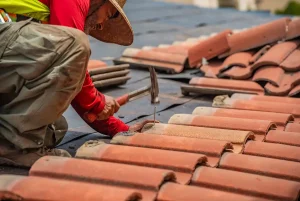
Your Tile Roof Is Fine. The Underlayment Beneath It Might Not Be.
Learn how failing underlayment can put a tile roof at risk, even when the tiles still look fine.
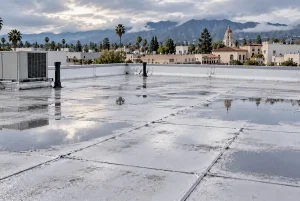
Flat Roof Ponding: What Property Managers Need to Know Before Rainy Season
Learn how flat roof ponding can lead to leaks and what property managers should check before rainy season.
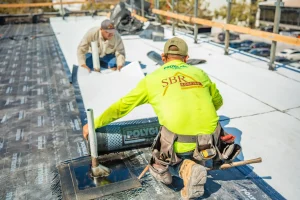
Preparing Your Commercial Roof for Southern California’s Rainy Season
Learn how to prepare a commercial roof for Southern California rain and spot issues before they lead to roof leak repair.