 Skip to content

Roofing Blogs
60+ Years Serving Southern California
Welcome to the SBR Roofing Blog—your source for expert commercial roofing insights. With over 60 years of industry experience, we share tips, trends, and best practices to help property owners, managers, and professionals make informed roofing decisions. Stay tuned for expert advice from the SBR team.
Can SBR handle multiple rooftop units across a property in one visit?
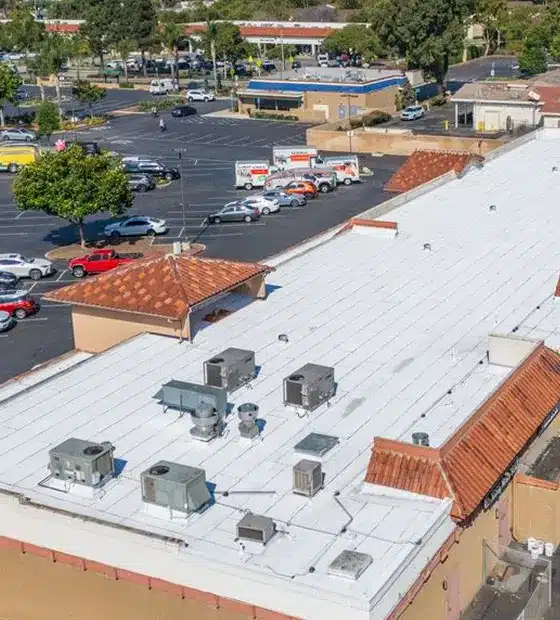
Yes. Multi-tenant and commercial properties often have several rooftop units installed at different times. SBR evaluates and repairs all units on a property in the same visit when possible, which is more efficient than scheduling separate appointments for each piece of equipment, especially on larger roofs.
Does SBR repair rooftop HVAC units it did not originally install?
Yes. SBR repairs rooftop HVAC equipment regardless of who installed it. Our technicians evaluate the unit and the surrounding roof system together, which is useful when the building’s HVAC history or installation records are incomplete or were handled by a previous contractor.
How quickly can SBR respond to a rooftop HVAC repair call?
Response time depends on the scope of the issue and current scheduling, but because SBR already maintains many of the roofs these units sit on, our crews are often familiar with the building and equipment before the call comes in, which shortens the time needed to diagnose and resolve the
What causes most rooftop HVAC unit failures?
Most rooftop HVAC failures trace back to refrigerant leaks, clogged condensate drains, electrical connection issues, or roof damage near the unit’s curb. Because the equipment sits directly on the roof, mechanical problems and roofing problems are often connected, which is why combined inspection and repair catches issues earlier.
Who should I call for a rooftop HVAC repair?
Call a contractor licensed for both roofing and HVAC work if your building uses rooftop units, since many repair issues involve both systems. SBR Roofing repairs HVAC equipment and any related roof damage in the same visit, avoiding the delay of coordinating two separate vendors for one repair.