 Skip to content

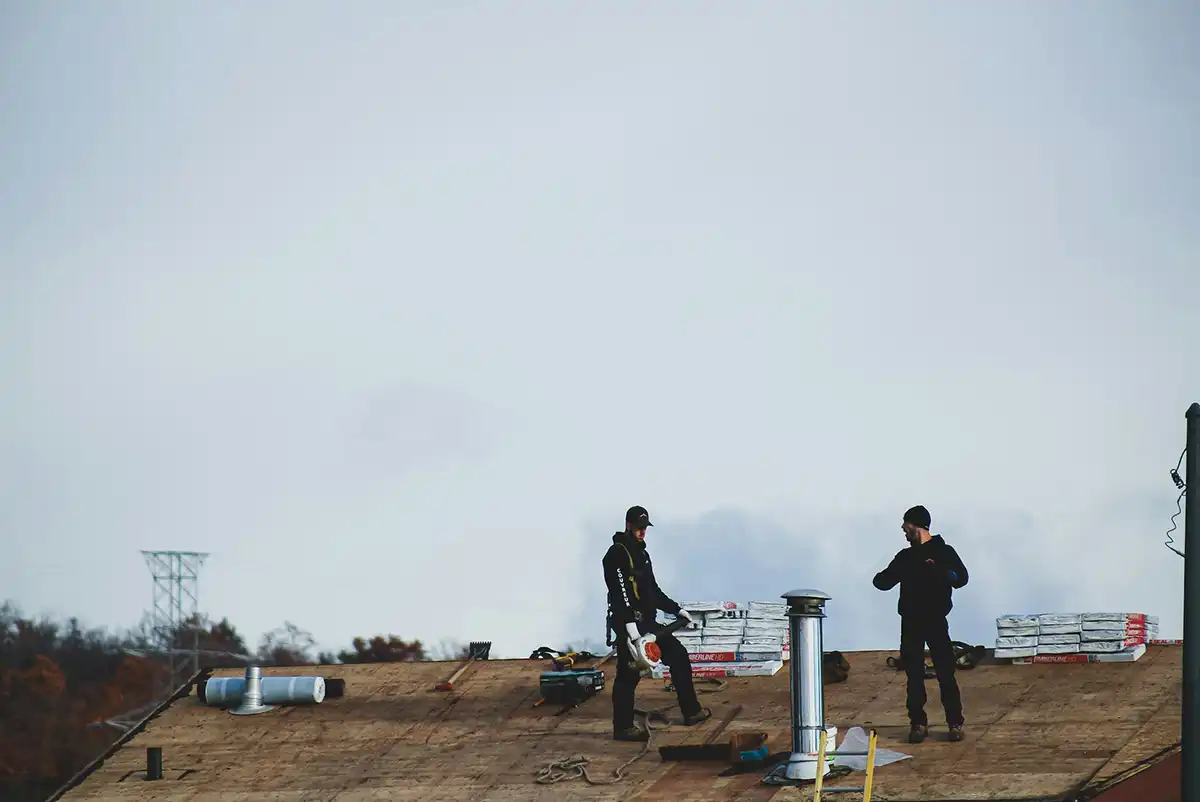
A commercial rooftop HVAC preventive maintenance visit should cover filters, belts, coils, refrigerant readings, electrical connections, condensate drains, and the roof curb beneath the unit. Each item catches a specific failure before it shuts down cooling. A good visit ends with a written record of what was checked, what was changed, and what needs attention.
Ask almost any HVAC technician what they find most often on a rooftop unit and the answer is rarely dramatic. It is not a cracked compressor or a seized motor. It is a filter that should have been changed two months ago, a belt with a glazed edge, or a drain line packed with debris. Those small things are exactly what a preventive maintenance visit exists to catch, and understanding what a good visit includes makes it easy to tell whether you are getting one.
It Starts With Airflow
Most rooftop unit problems trace back to air that is not moving the way it should. A dirty filter restricts the flow across the evaporator coil, the coil gets too cold, and eventually it freezes into a block of ice while the building gets warmer. By the time someone calls, the unit has been struggling for weeks. That is why a technician checks the filters at every visit and replaces them on a schedule instead of waiting until they look bad.
The belts and blower get the same attention. A belt that is slipping on its sheave quietly cuts the amount of air the unit delivers, and a cracked or frayed one will eventually snap on the hottest afternoon of the year. A good technician looks at belt tension and alignment, spins the blower wheel by hand to listen for rough bearings, and compares the motor's amp draw against the nameplate. A motor pulling more current than it should is telling you something long before it fails.
Where the Heat Goes
A cooling unit does not create cold. It moves heat out of the building, and the coils are where that exchange happens. Over a few months, dust, pollen, and debris coat the condenser coil, and the compressor has to work harder to reject the same amount of heat. Compressors rarely fail all at once. They wear out from running hot and long, which is why a clean coil is one of the least expensive ways to protect the most expensive part of the unit.
Refrigerant readings tell a related story. Pressures and temperatures taken at a single visit mean very little on their own. The value comes from comparing them to the last visit. If the numbers have drifted, the system is slowly losing charge, and a small leak found in spring is a much easier conversation than a compressor lost to low refrigerant in August.
The Electrical Side Nobody Sees
Rooftop units sit in full sun and vibrate every time they run. Over years, that heat and movement loosen electrical connections, and a loose connection creates resistance, which creates more heat. Contactors pit and wear down, capacitors weaken, and wire insulation cracks. A technician tightens and inspects connections, tests the capacitors and contactors, and confirms the controls call for cooling and heating at the right setpoints.
On units with an economizer, the dampers deserve a look as well. A damper stuck open lets hot outside air pour into the building and wastes energy all summer. One stuck closed defeats the purpose of having an economizer at all. Neither problem makes noise, so they tend to go unnoticed until the energy bills are examined.
Water Has to Go Somewhere
Cooling equipment pulls moisture out of the air, and that water drains from the unit through a condensate line. When the line clogs, the pan overflows, and the water lands either on the roof membrane or inside the building. This is the point where an HVAC problem becomes a roofing problem, and it is why a thorough visit does not stop at the unit's cabinet.
The technician should also look at the curb the unit sits on, the flashing and sealant around its base, the gaskets on the access panels, and the places where refrigerant lines, conduit, and gas lines pass through the roof. A sealant crack at a curb corner takes seconds to spot and costs very little to address when it is found early. Left alone through a winter of rain, it can mean wet insulation and a ceiling stain two floors down.
The Record Matters as Much as the Visit
The last piece is the paperwork, and it is the piece most often skipped. A useful report is organized by unit, using the same unit ID every time, and it lists the readings taken, the parts replaced, and anything that needs attention. Over a few years, that history shows which units are declining, supports warranty claims when a manufacturer asks for proof of maintenance, and gives a property manager real numbers to use when building next year's budget.
Frequently Asked Questions
How long does a rooftop unit maintenance visit take?
A standard visit on one rooftop unit often takes one to two hours, depending on size and condition. Properties with many units usually schedule a full day or more. A unit that has gone a long time without service takes longer because the coils and drains need more cleaning.
Does preventive maintenance actually reduce repair costs?
In most cases it does. A worn belt, a weak capacitor, or a partly clogged drain is inexpensive to fix during a visit. Left alone, the same problems can damage compressors and motors, which are the costliest parts on the unit.
Who should keep the maintenance records?
The property owner or manager should keep a copy, even if the contractor stores one too. Organized by unit and date, those records support warranty claims and make equipment budgets easier to plan.
|
Want your rooftop units on a documented maintenance schedule? Call (818) 678-9791 or visit sbrroofing.com. Serving Burbank, Pasadena, the San Fernando Valley, and Ventura County. |