 Skip to content

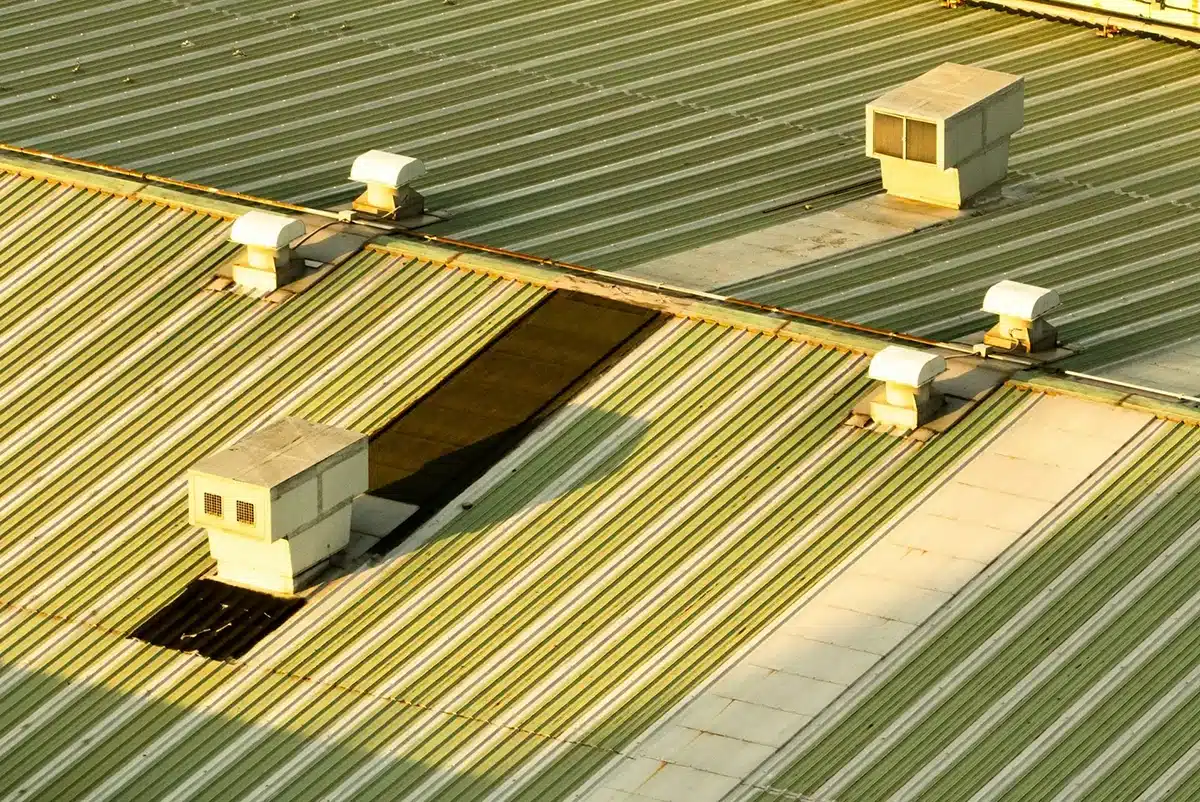
Responsibility for a leak near rooftop HVAC equipment usually depends on where the water entered and who last worked in that area. Curbs and penetrations sit between two trades, which is why disputes are common. Clear records, documented work, and coordinated visits make it much easier to identify the cause.
Imagine the call a property manager dreads. Water is coming through the ceiling below a rooftop unit, the HVAC company says the equipment is fine and the roof must be leaking, and the roofing company says the unit's installation must have damaged the flashing. Both could be partly right. Meanwhile the manager is the one standing under a bucket, waiting for two companies to settle an argument that has nothing to do with the tenant on the floor below.
How Two Contractors End Up Pointing at Each Other
The root cause is structural. A rooftop unit is mechanical equipment that sits on a roof, so its service belongs to one trade while the surface underneath it belongs to another. The HVAC contractor maintains the equipment. The roofing contractor maintains the membrane. When water appears inside, each side can look at its own scope, find nothing wrong, and reasonably suggest the other look harder.
The Parts of the Roof That Belong to Nobody
The disputes cluster around a few places where the trades overlap. The curb flashing is roofing work, but it is attached to HVAC equipment. Refrigerant lines and conduit are installed for one trade and sealed by another. Condensate comes from the equipment but lands on the roof. And the walkways between units are worn by service visits and maintained by the roofer. When nobody owns those areas clearly, nobody inspects them regularly, and they become the most likely places for a leak to begin.
What Warranties Usually Say
Roofing manufacturers often place conditions on who may work on or penetrate the roof system, and on how that work is documented. Equipment manufacturers, for their part, often expect documented maintenance. A leak traced to work done outside those conditions can complicate a claim on either side, which is why it is worth reading the warranty language on both before anyone starts work near rooftop equipment. Learning what the warranty requires after a problem appears is a much worse position to be in.
Records That Settle the Question
When a dispute does arise, the party with the better records usually has the easier conversation. Dated logs of every roof visit and every HVAC visit, including who was on the roof, show what the condition was and when. Photographs of the curb, flashing, and penetrations before and after any equipment work are even more valuable, since they show the roof's condition at the exact moment responsibility passed from one contractor to the next. A leak log with the date, location, and weather conditions each time water appears helps identify patterns that point to a specific source.
Planning So It Never Comes Up
Most of these disputes are symptoms of two schedules that never overlap. When roof inspections and equipment service are planned together, the people looking at the roof and the people looking at the unit work from the same information. Problems at the curb get caught while they are small. Equipment changes get communicated to the roofer before they happen, and repairs to the membrane or flashing are done by a contractor the roof warranty allows. Whether that coordination comes from a single contractor or a shared calendar between two, the goal is the same: no gap between the roof and the equipment sitting on it.
Frequently Asked Questions
Can HVAC work void a roof warranty?
It can, if the work damages the roof system or is done outside the conditions of the warranty. Many roofing manufacturers limit who may work on or penetrate the membrane. Check the warranty language and notify your roofer before equipment work begins.
Should my roofer know when HVAC equipment is replaced or moved?
Yes. New curbs, openings, and line routes all affect the roof, and the roofing contractor can make sure flashing and sealing are done properly. Coordinating the two avoids the gaps that lead to leaks.
What records should I keep for roof and HVAC work?
Keep dated service logs for both, before and after photos of curbs and penetrations, and a record of any leak with the date, location, and weather. Those records help resolve responsibility questions quickly.
|
Want one point of contact for your roof and your rooftop equipment? Call (818) 678-9791 or visit sbrroofing.com. Serving Burbank, Pasadena, the San Fernando Valley, and Ventura County. |