HVAC Inspections From the Crew Already on Your Roof
One Contractor for Commercial HVAC & Roof Repairs
One inspection, two systems, no guessing about what is actually happening up there.
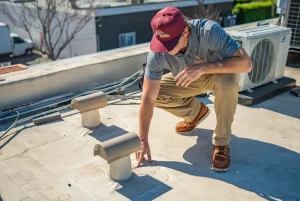
Most HVAC problems are visible long before they become repair calls: loose panels, corroded line sets, drainage blocked by roofing debris. The challenge is that the people inspecting the roof are not trained to evaluate the HVAC equipment, and the people servicing the HVAC equipment are not paying attention to the roof underneath it.
SBR Roofing inspects both at once. Our crews already walk your roof regularly. Adding HVAC inspection to that same visit means problems at the equipment and problems at the membrane get caught by the same set of eyes, on the same trip.
What an Inspection Covers
What We Check During a Rooftop HVAC Inspection
- Visual and operational check of HVAC units
- Condensate drainage and curb condition
- Ductwork and connection points where equipment meets the roof
- Electrical connections and disconnect condition
- Written report with photos, documenting the condition of both systems
Why It Matters
Prevent Costly Roof Damage Around HVAC Equipment
An HVAC unit installed without attention to the roofing underneath it is one of the most common causes of premature roof failure around rooftop equipment. Catching that early, during a routine inspection rather than after a leak, is the difference between a line item and an emergency repair bill.

What Your Maintenance Team Should Check on the Roof This August
August roof maintenance checklist for your team: spot summer damage, clear debris, and catch issues before fall weather arrives.
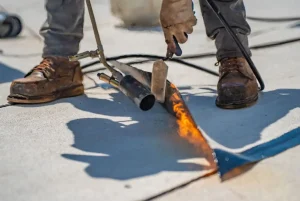
5 Things 100-Degree Heat Is Doing to Your Commercial Roof Right Now
Learn how 100-degree heat can damage a commercial roof and what signs to watch for before costly repairs are needed.
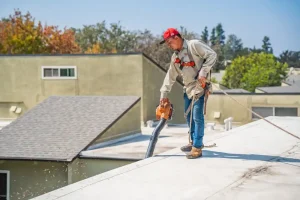
5 Tips for Commercial Roof Fire Season Prep
Fire season in Southern California is not something that shows up on a calendar and gives you time to prepare. It arrives fast, conditions escalate quickly, and the difference between a roof that holds up and one that does not often comes down to decisions made weeks or months earlier.
HVAC Inspection FAQs
HVAC Inspections
Yes. A documented inspection report with photos gives property managers a record of equipment condition over time, which is useful for forecasting when a unit is approaching the end of its service life and budgeting ahead of an unplanned failure.
Yes, when the contractor has licensed HVAC technicians on staff. SBR Roofing inspects rooftop HVAC units and the surrounding roof system in the same visit, since many HVAC related roof failures start where equipment meets the membrane and are easy to miss when two separate vendors handle each system.
Commercial HVAC units should generally be inspected twice a year, in spring and fall, alongside seasonal roof inspections. Buildings with older units or known drainage issues may need quarterly checks. Pairing the inspection with an existing roof inspection schedule reduces cost and catches issues at the equipment to roof interface.
When an inspection finds roof damage related to HVAC equipment, such as a worn curb seal or a penetration issue, SBR documents it in the same report and can scope the repair directly, since the same company handles both systems. There is no need to bring in a second contractor to evaluate the damage.
An inspection is a point in time assessment that documents the current condition of the equipment and the surrounding roof. Maintenance is the ongoing, scheduled work, like filter changes and coil cleaning, that keeps the equipment running properly between inspections. Most buildings benefit from both on a regular cycle.