 Skip to content
Green Roofing
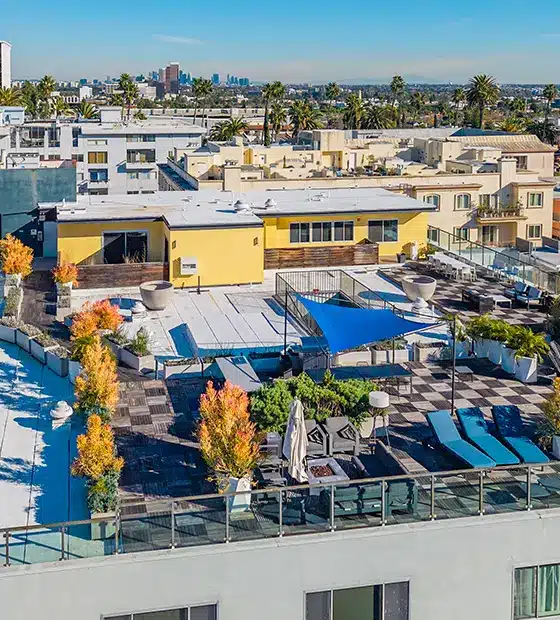
Go Green, Save Green
Cool Roofs save YOU money by reflecting sunlight and heat, reducing roof temperatures from 30 to 70 degrees, therefore reducing “cooling loads” by upwards of 20%. Average energy savings range from 7% to 15% of total cooling costs.
Start Saving with Cool Roofs from SBR, Inc.
Energy Savings
By reflecting sunlight and heat away from the building, cool roofs can reduce roof temperatures by 30 to 70 degrees Fahrenheit. This reduction in heat absorption translates to lower cooling loads, resulting in average energy savings ranging from 7% to 15% of total cooling costs.
Improved Comfort
Cool roofs help maintain lower indoor temperatures, creating a more comfortable and enjoyable environment for building occupants, employees, and customers.
Extended Roof Lifespan
By reducing thermal stress and UV exposure, cool roofs can extend the lifespan of roofing materials, leading to reduced maintenance costs and fewer premature replacements.
Environmental Benefits
Cool roofs contribute to mitigating the urban heat island effect and reducing greenhouse gas emissions associated with air conditioning usage, thereby promoting environmental sustainability.
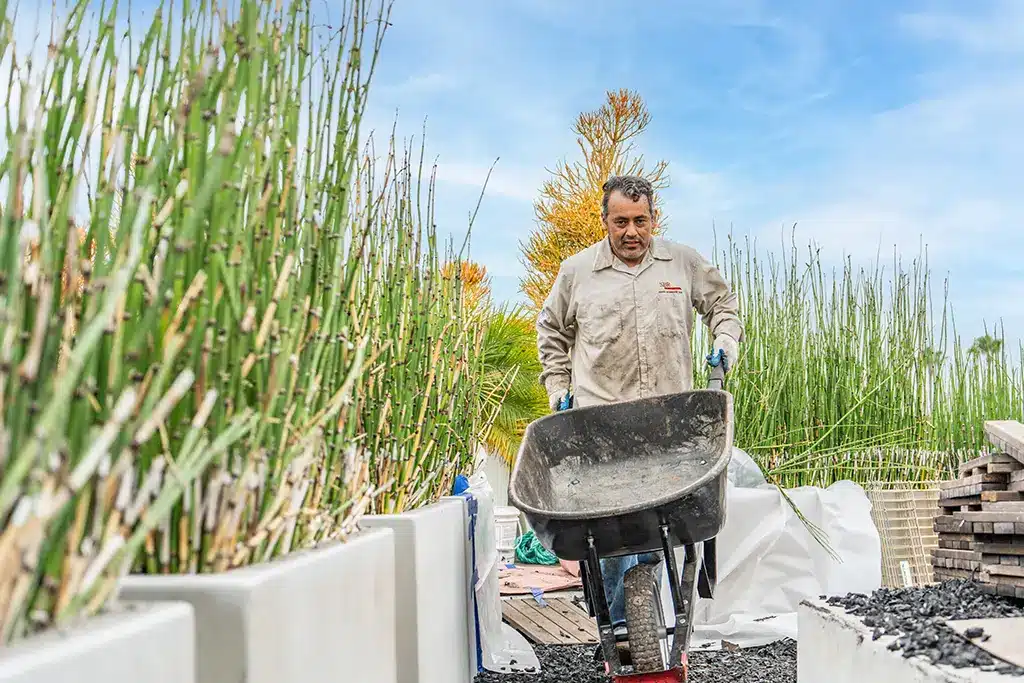
Green Roofing Benefits
Energy Efficiency
Green roofs provide exceptional insulation, reducing heating and cooling costs. You can significantly cut your building’s energy consumption by opting for energy-efficient roofing options.
Environmental Impact
Our eco-friendly roofing systems are designed to combat urban heat islands and improve air quality, making them integral to sustainable development.
Durability and Longevity
With proper green roof installation, these systems are built to last, protecting your property while requiring minimal maintenance.
Enhanced Aesthetic Appeal
A professionally installed green roofing system adds visual appeal to your property while showcasing your commitment to sustainability.
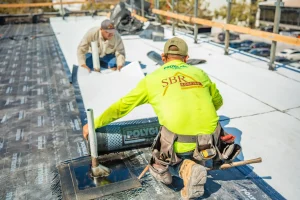
Preparing Your Commercial Roof for Southern California’s Rainy Season
Learn how to prepare a commercial roof for Southern California rain and spot issues before they lead to roof leak repair.
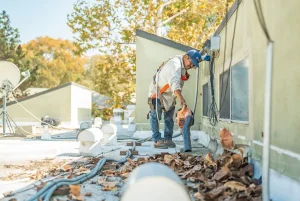
5 Reasons Commercial Roofs Fail During Rainy Season
Learn 5 common causes of commercial roof failure during rainy season and how to spot warning signs before costly leaks start.
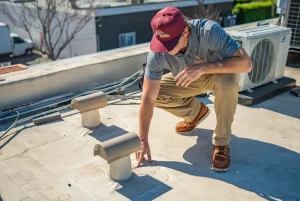
What Your Maintenance Team Should Check on the Roof This August
August roof maintenance checklist for your team: spot summer damage, clear debris, and catch issues before fall weather arrives.
Green Roofing FAQs
Green Roofing
In many cases, yes. An existing roof may be upgraded or replaced with a green roofing system if the building can support the new assembly and the underlying components are in suitable condition. SBR Roofing reviews the existing roof system carefully before recommending any green roof installation.
No. Energy-efficient roofing helps in more than one season. While reflective and insulated systems are especially useful in reducing summer heat gain, the right roofing assembly can also help stabilize indoor temperatures during colder months and support year-round efficiency.
Some green roofing systems, especially vegetative assemblies, require ongoing maintenance to protect performance and appearance. Other energy-efficient roofing options may require little more than regular inspections and routine care. SBR Roofing helps property owners understand maintenance expectations before work begins.
The right energy-efficient roofing system depends on the building’s size, structure, slope, drainage, insulation needs, and budget. SBR Roofing reviews each property carefully and recommends options that provide lasting performance, practical value, and reliable workmanship.
Green roofing helps reduce heat transfer into a building, which can lower cooling demands during warmer months. An energy-efficient roofing system can also improve indoor comfort and support better HVAC performance. For many commercial properties, energy efficient roofing contributes to lower utility expenses over time.
The timeline for green roof installation depends on roof size, structural requirements, material selection, weather conditions, and project complexity. A straightforward system may move quickly, while a larger or more specialized green roofing project may require additional coordination and preparation.
For many commercial property owners, green roof installation is a worthwhile long-term investment because it can improve energy performance, reduce strain on building systems, and support sustainability goals. The real value depends on the building, the selected system, and how the roof performs over time.
Yes. Green roofing can be an excellent option for commercial properties that need better energy performance, longer roof life, and lower lifecycle costs. SBR Roofing evaluates the structure, drainage, insulation needs, and budget so the recommended system matches the building’s goals.
Green roofing refers to roofing systems designed to improve environmental performance, reduce heat absorption, and support better building efficiency. Depending on the project, green roofing can include vegetative roof systems, reflective membranes, improved insulation, and other energy-conscious materials that help lower long-term operating costs.
Green roofing is a broader category that focuses on environmentally responsible roof design and performance. Energy-efficient roofing is one part of that approach, with a specific focus on reducing energy consumption and improving thermal performance. In many cases, a green roofing system also functions as an energy-efficient roofing solution.
Energy efficient roofing systems may include reflective membranes, insulation boards, roof coatings, vegetative assemblies, and other high-performance materials. The best choice depends on the building’s use, roof design, budget, and long-term maintenance goals.
Green roof installation is often a strong fit for commercial, institutional, industrial, and multi-use buildings with the right structural support and drainage design. Roof slope, access, weight capacity, and local climate all play a role in determining whether a building is a good candidate.
A properly designed green roofing system can help protect the roof assembly from UV exposure, temperature swings, and other common sources of wear. That added protection may contribute to a longer service life, especially when paired with routine inspections and timely repairs.