 Skip to content
Southern California businesses have various roofing options for flat and sloped roofs, highlighting the need for informed choices and proper maintenance for durability.
By Dan Cahill and Gary Stewart
In Southern California’s competitive landscape, property owners and managers face pivotal decisions regarding commercial roofing systems. With a variety of materials and installation techniques available, understanding the nuances of each option is essential for making informed, financially sound choices. At SBR Roofing, we leverage our sixty years of experience and expertise to guide you through the diverse range of commercial roofing options, ensuring that your investment stands the test of time while meeting the unique needs of your building.
Types of Commercial Roofing Systems
Southern California businesses have access to a diverse array of materials for commercial roofing systems, each suitable for different building types.
Flat Roof Options
For flat roofs, choices include:
- Built-Up Roofing (BUR): A traditional system that consists of multiple layers of roofing felt and bitumen.
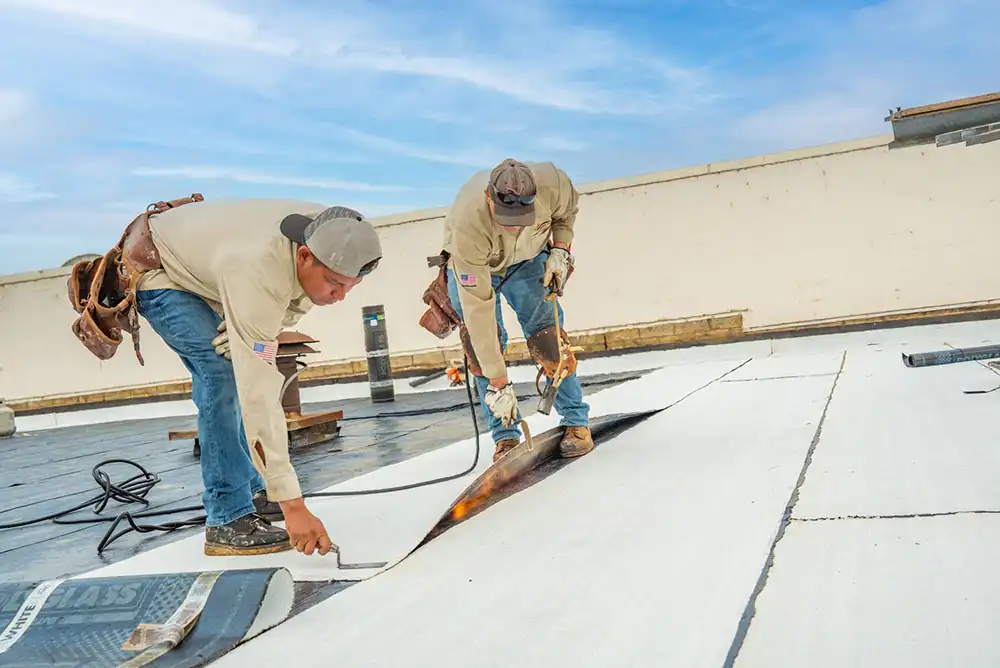
- Modified Bitumen Systems (APP-modified): This system has been in use since the late 1970s and incorporates modern technology while maintaining a proven track record of reliability.
- Single-Ply Systems: These include TPO and PVC options, which are known for their ease of installation and flexibility.
- Coating Systems: These are applied over existing roofs to extend their life and improve performance.
In terms of pricing, APP and TPO roofing systems are generally comparable, while PVC systems tend to be slightly more expensive. Both APP and PVC systems are known for their robustness, whereas TPO systems may be more vulnerable, with greater susceptibility to damage and manufacturing inconsistencies that can lead to defects.
Sloped Roof Options
In contrast, sloped roofs typically offer options such as:
- Shingle Roofs: Popular for their affordability and ease of installation.
- Tile Roofs: Known for their durability and aesthetic appeal.
- Metal Roofs: In certain situations, metal roofs can also be a viable option due to their longevity and resistance to the elements.
Importance of Maintenance
One major factor in commercial roof failures is a lack of maintenance. Many problems arise simply because no one is regularly inspecting the roof. Common issues include:
- Clogged Drains: These can lead to water pooling and eventual leaks.
- Cracked Penetrations: Areas that require resealing can be overlooked when roofs are neglected.
Another common cause of roof issues occurs after work has been done, such as replacing an air conditioner or adding new equipment. If these installations are not properly integrated into the roofing system, it can lead to significant problems down the line. Addressing these maintenance and installation oversights is crucial for the longevity and performance of commercial roofing systems.
Making Informed Decisions
One of the most common mistakes property owners make when selecting a roofing system is prioritizing the lowest price. While a cheaper option may seem appealing initially, it can lead to high long-term costs. For instance, a roofing system that lasts only ten years may appear to save money upfront, but if there is an alternative that costs just 10% more and lasts twenty years, the initial savings quickly diminish. Understanding the life cycle cost of a roof—rather than just its upfront price—can prevent regret down the line.
When selecting a roofing contractor, the first step is straightforward: verify that they are licensed and insured to operate in your area and for the specific type of building in question. After confirming their credentials, focus on the clarity and detail of the proposal you receive. A reliable estimate should be understandable, detailed, and include a firm price, allowing you to know exactly what to expect. If you encounter proposals lacking these qualities, consider it a red flag. The presence of two or more of these issues may indicate that you are not engaging with the right professionals for your roofing needs.
Case Study: Successful Roofing Solution
A recent project illustrates how the right roofing choice can significantly impact a client’s experience. The building in question wasn’t large, but it housed extensive rooftop equipment, including multiple air conditioning, exhaust, and refrigeration units for several restaurants. The property had undergone a roof installation less than ten years prior, but had faced persistent issues throughout that period. Frustrated, the owners decided to have us reroof the building about four to five months ago. This winter, Southern California experienced historic rainfall, yet the property has not had a single leak since the new roof was installed. Although investing in a new roof shortly after the last one was not an easy decision, selecting the right roofing solution from experienced professionals resolved their problems, resulting in satisfied tenants.
Conclusion
Selecting the right commercial roofing system is not merely about the initial price; it is about ensuring long-term value and performance. By prioritizing quality, maintenance, and informed decision-making, property owners can avoid costly mistakes and ensure the longevity of their roofing investments. At SBR Roofing, we are committed to providing the expertise and reliability you need to navigate the complexities of commercial roofing, reinforcing our role as your trusted partner in building success.
About the Author
As a proud fourth-generation commercial roofing contractor, Gary Stewart has dedicated his career to upholding the legacy of quality and craftsmanship established by his family. Today, as a managing partner, he works alongside his relatives, blending tradition with innovation to deliver exceptional roofing solutions. His commitment to excellence and teamwork not only strengthens SBR Roofing’s projects but also deepens those family bonds, ensuring that every roof we build is a testament to our shared values of integrity, durability, and service. Together, we are not just constructing roofs; we are building a future for our community and our family lineage.
Dan Cahill began his journey in 2001, accumulating over 23 years of experience in the commercial roofing industry. The original owner of SBR Roofing offered a trial period in 2001, coinciding with the bursting of the dot-com bubble. The proposition was simple: give it a year, see if it suits you, and if not, no hard feelings. Surprisingly, Dan found himself sticking around. Fast-forward over two decades, and he continues to thrive in the field.
With a background in sales, Dan discovered a passion for the dynamics of salesmanship, particularly in the freedom it offered from the confines of a desk. The opportunity to engage with people, navigate various situations, and even climb up on roofs appealed to him. This intriguing experience kept Dan hooked, prompting him to stay the course and eventually become a leader in the roofing industry.